

13 Aug Financial Literacy in the Philippines: Why We Need to Learn Before We Earn
Financial literacy in the Philippines is becoming an increasingly important part of the conversation around education, investing, and financial security. As Filipinos gain easier access to digital banks, investment platforms, insurance products, loans, and other financial services, knowing how to use these tools responsibly becomes just as important as having access to them.
“A financially literate Filipino is a protected investor.”
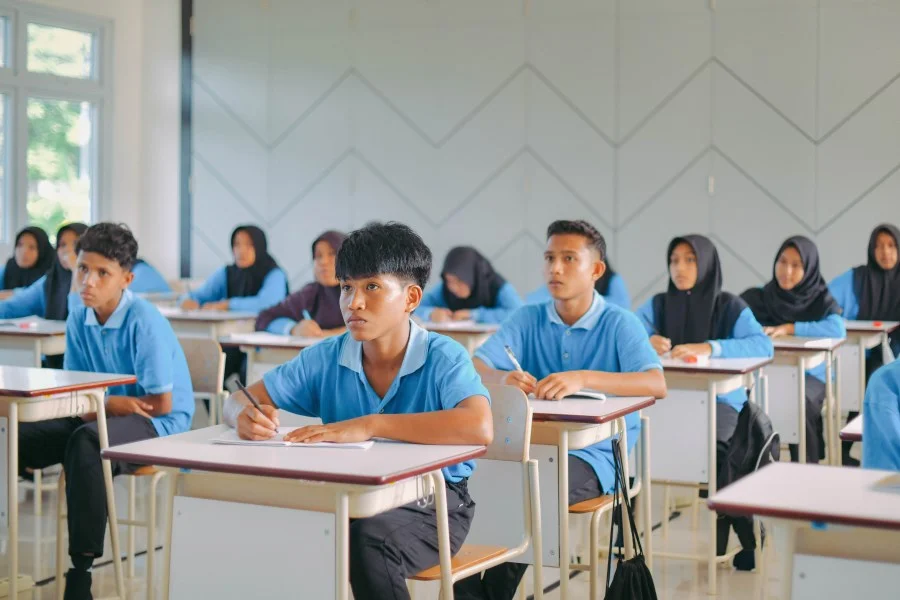
That message reflects the growing push for better financial education in the country. The Securities and Exchange Commission has been advocating for stronger financial literacy education, including proposals to integrate financial literacy into the Philippine high school curriculum. The SEC has also continued its financial education initiatives and investor protection programs.
The idea behind the movement is straightforward. Before young Filipinos receive their first salary, apply for their first credit card, take out a loan, or start investing, they should understand how money works.
More importantly, they should know how to protect the money they earn.
Why Should Financial Literacy Start in High School?
Think about what happens when a student graduates and starts working.
For the first time, they have a regular income. They suddenly need to make decisions about rent, transportation, food, savings, insurance, taxes, credit cards, loans, investments, and possibly financial support for their family.
A young professional might know how to negotiate a salary but have no idea how much of that salary should go toward savings. Someone might know how to open a bank account but not understand how interest works. Another person might see an investment opportunity on social media promising high returns and have no idea how to determine whether the offer is legitimate.
These are not theoretical lessons. They are decisions people make with their own money.
This is where financial education in schools becomes valuable. Students don’t need to become professional investors before graduation. They need enough financial knowledge to make informed decisions when they enter adulthood.
The proposal is still pending and financial literacy is not yet a mandatory standalone subject nationwide. Still, the discussion highlights an important question. Should young Filipinos learn how to manage money before they start earning it?
Filipinos Have More Access to Financial Services
Financial services have become much easier to access.
A person can open a digital bank account from a smartphone. Investments are increasingly available through online platforms. Insurance products are promoted through social media. Credit cards and lending services are only a few clicks away.
This growing access is positive, but access does not automatically mean understanding.
The Bangko Sentral ng Pilipinas has been tracking financial inclusion and financial capability through its Consumer Finance and Inclusion Survey. The survey looks at Filipinos’ access to, ownership of, and use of financial products and services.
The broader lesson is important for financial literacy in the Philippines. A person might have a bank account without knowing how to manage their savings. They might own an investment without understanding the risk involved. They might have access to credit without understanding how interest and repayment costs affect their finances.
Having a financial product is one thing. Knowing whether it is appropriate for your situation is another.
Financial Literacy Is More Than Knowing How to Save
When people hear the term financial literacy, budgeting and saving often come to mind first.
Those are important foundations, but financial literacy covers much more.
A financially literate person should understand the difference between saving and investing. They should know how compound interest works, why investments carry different levels of risk, and why diversification matters.
They should also understand responsible borrowing.
Before taking a loan, for example, a borrower needs to look beyond the amount they will receive. They need to understand the interest rate, fees, repayment schedule, and total amount they will eventually pay.
The same principle applies to credit cards.
A credit card is a financial tool. Used responsibly, it can provide convenience and help build a credit history. Used without proper planning, it can lead to growing balances and interest charges.
Financial literacy for beginners should therefore focus on understanding how financial products work before encouraging people to use them.
Knowing How to Recognize Financial Scams
Another major reason financial education matters is the increasing number of financial offers appearing online.
Social media has made financial information easier to access, but it has also made it easier for fraudulent schemes to reach potential victims.
Someone might receive a message promising unusually high returns. Another person might see a post claiming to have a secret investment opportunity. Someone else might be pressured to send money immediately because the offer is supposedly available for a limited time.
The Securities and Exchange Commission’s investor education materials encourage the public to exercise caution with unsolicited investment offers, high-pressure tactics, rumors, and schemes promising attractive returns.
This is where financial education becomes a form of protection.
A financially informed person is more likely to pause and ask questions.
Who is offering the investment?
Is the company registered?
Where does the return come from?
What are the risks?
What happens if the investment loses money?
Are there fees?
Why is someone pressuring me to invest immediately?
These questions are simple, but asking them before transferring money can make a significant difference.
What Should Students Learn About Money?
If financial literacy becomes part of the high school curriculum, the lessons should be practical.
Students should learn how to create a realistic budget based on an actual salary. They should understand the difference between needs and wants and see how small spending decisions affect their monthly cash flow.
They should also learn about emergency funds and why unexpected expenses should not automatically lead to borrowing.
Investing should be introduced in a way that teaches students how to evaluate opportunities rather than telling them which investment to buy.
For example, a beginner should understand the relationship between risk and potential return. They should know why diversification matters and why investments intended for long-term goals should be approached differently from money needed for next month’s expenses.
Insurance should also be part of financial education.
Young adults often think insurance is something to consider much later in life. Understanding how health, life, and other forms of insurance work helps students recognize the role protection plays in a broader financial plan.
Taxes should also be discussed. A student entering the workforce should understand why their gross salary and take-home pay are different and how government contributions and taxes affect their income.
These are practical lessons people need throughout adulthood.
Financial Literacy Is Also a Family Conversation
Financial education doesn’t need to begin in a classroom.
A child who sees parents discussing budgeting, saving, spending, and financial goals is already learning about personal finance. Conversations about why a family is saving for a particular goal or why they decided not to take on unnecessary debt can become valuable lessons.
Parents have an important role in teaching children how to think about money.
Parents don’t need to teach complex investing strategies.
Sometimes, the most useful lesson is simply explaining why you shouldn’t spend every peso you earn.
For young adults, this foundation becomes even more important when they start earning their own money. A first salary brings independence, but it also brings responsibility.
Learning how to manage that income before lifestyle expenses grow can make a major difference later.
The SEC Is Already Providing Financial Education Resources
While proposals for stronger financial education in schools are still being discussed, Filipinos don’t have to wait for a new law before starting to learn.
The SEC has continued to conduct financial literacy and investor protection initiatives. Its SEC Academy provides educational resources designed to help Filipinos learn more about personal finance, investing, entrepreneurship, capital markets, and investment scam prevention. The SEC has also conducted financial literacy activities through its investor protection programs.
These resources are particularly useful for people who are beginning their financial journey and don’t know where to start.
The goal of financial education isn’t to turn everyone into an expert.
The goal is to help people ask better questions.
Why Financial Literacy Matters for Working Filipinos
Financial literacy is often associated with students, but working adults need it just as much.
Consider someone in their 30s who has started earning more but is also supporting parents, paying a mortgage, raising children, or managing several loans.
Their financial decisions are more complicated than they were in their twenties.
They need to think about emergency savings, retirement, insurance, investments, debt, and long-term family responsibilities at the same time.
This is where personal finance Philippines topics become highly relevant. Understanding how to manage cash flow, build savings, protect income, and invest for long-term goals gives working professionals a stronger foundation for making financial decisions.
The earlier these lessons are learned, the easier they are to apply later.
Learn Before You Earn
The most valuable financial lesson might be the simplest one.
Learn before you earn.
Learn how interest works before taking a loan. Learn how compound growth works before investing. Learn how to check an investment opportunity before transferring money. Learn how insurance works before deciding whether you need coverage.
You don’t need to know everything before making your first financial decision.
You do need to know enough to ask the right questions.
Financial literacy in the Philippines is ultimately about building better financial judgment. It is about helping people understand the consequences of their decisions before those decisions affect their savings, their families, and their future.
Financial education also shouldn’t end when someone graduates from high school. Money decisions change as people move through different stages of life. A student eventually becomes a first-time employee. A young employee becomes a parent. A parent might eventually become part of the sandwich generation, supporting both children and aging parents.
Each stage brings new financial decisions.
The earlier people develop the habit of learning before making those decisions, the better prepared they are to manage them.
What Should Every Filipino Learn About Money?
The push for stronger financial education raises a bigger question.
If you had the opportunity to design the first financial literacy class for Filipino high school students, what would you teach first?
Would you start with budgeting and saving? Would you teach investing, credit cards, taxes, insurance, retirement planning, or how to recognize financial scams?
The goal shouldn’t be to make students experts
The goal should be to help them enter adulthood knowing how to make informed financial decisions.
Because before we ask young Filipinos to earn more, invest more, and build wealth, we should first teach them how money works.
And that is why financial literacy in the Philippines deserves a place in the conversation about education and preparing the next generation for adulthood.